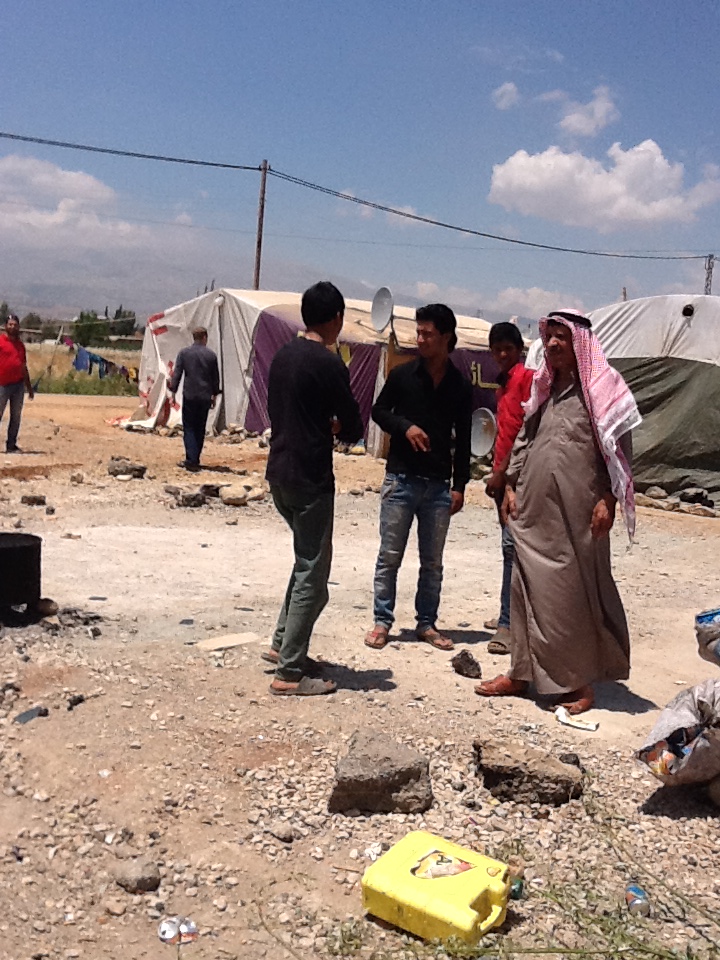
God in the middle east

20140603_082126

While having no time for mundane things like dusting because my life was, quite frankly, a little out of control in the fast lane – God carved out two weeks to stop it all and go away to a place where getting the house dusted is not on anyone’s to-do list.

Beauty and pain…

Beauty of Lebanon1

The Middle East awaited me with a beauty that took me by surprise.
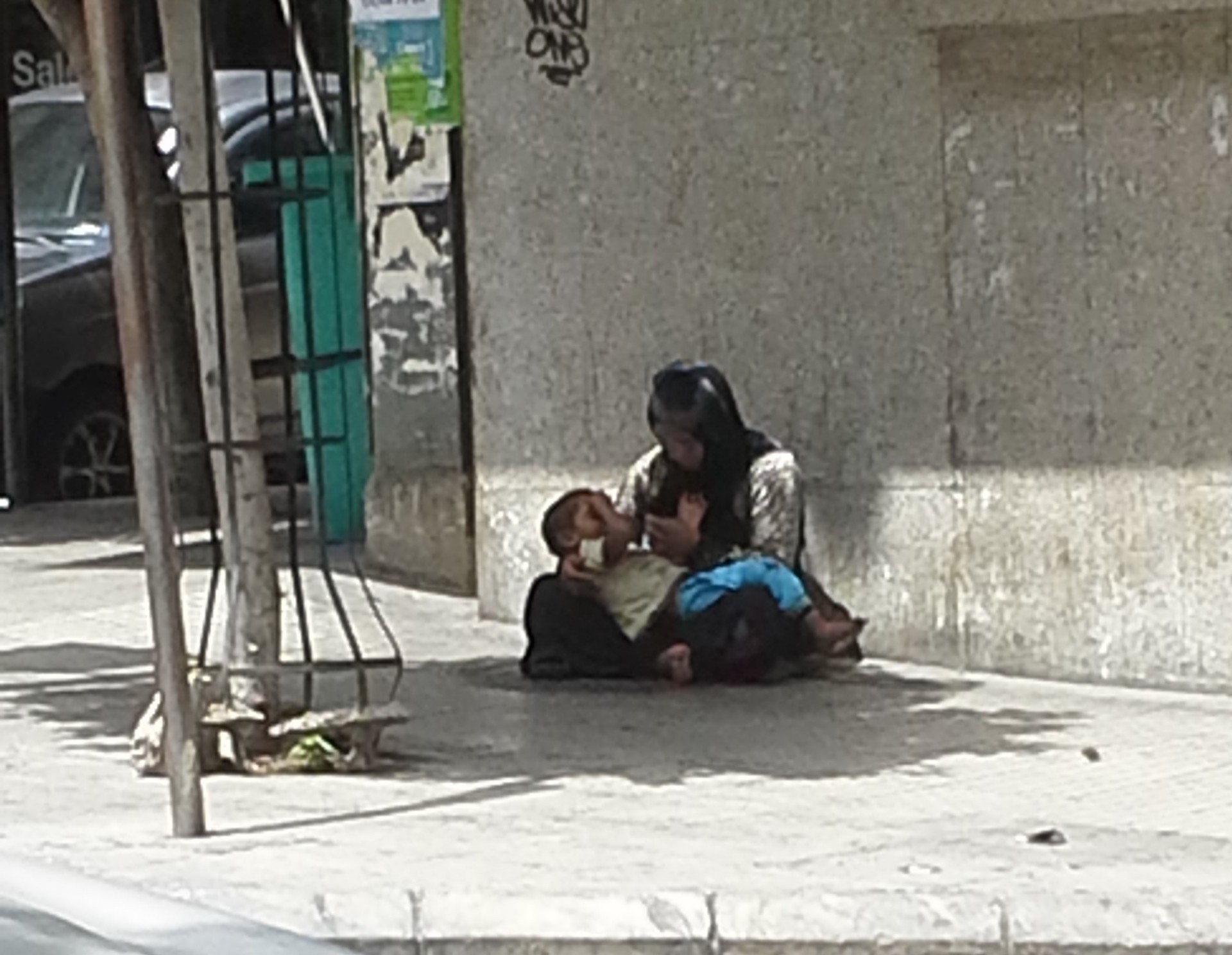
Syrian woman2

Everywhere I looked, I saw Him, because everywhere I looked I saw those made in His image, and I felt the pain of Love.

I felt the pain of begging for whatever man would give because there was no hope for what God longed to give her.

And I remembered that I too was once such a beggar.

The real hard

It was hot and humid and sometimes harder than I thought it would be. The sixth floor and no elevator kind of hard that made me angry for not taking better care of myself so that I could make it to the top without fear that I would stop. breathing. Mosquito (or some other evil insect) bites that covered legs with a blistery, itching-until-I-wanted-to-cry mess kind of hard. No air conditioning and windows closed to keep out the mosquitoes so sleep is impossible kind of hard.

And then God showed me what hard really is and my heart bowed in gratitude and repentence as I realized that uncomfortable is not the same as hard.IMG_0390  IMG_0391

Living can be uncomfortable, but living without the hope of Christ is the real hard.

That’s the hard place that God sends us into so that we can forget what is uncomfortable, and weep for the hard that surely must break His heart. It’s the hard ground He asks us to tread on to bring Love that softens and changes and sows and waters and pushes back darkness so that Truth takes hold.

Beloved, hard is everywhere and God is inviting us into it with Him.

High places and low places…

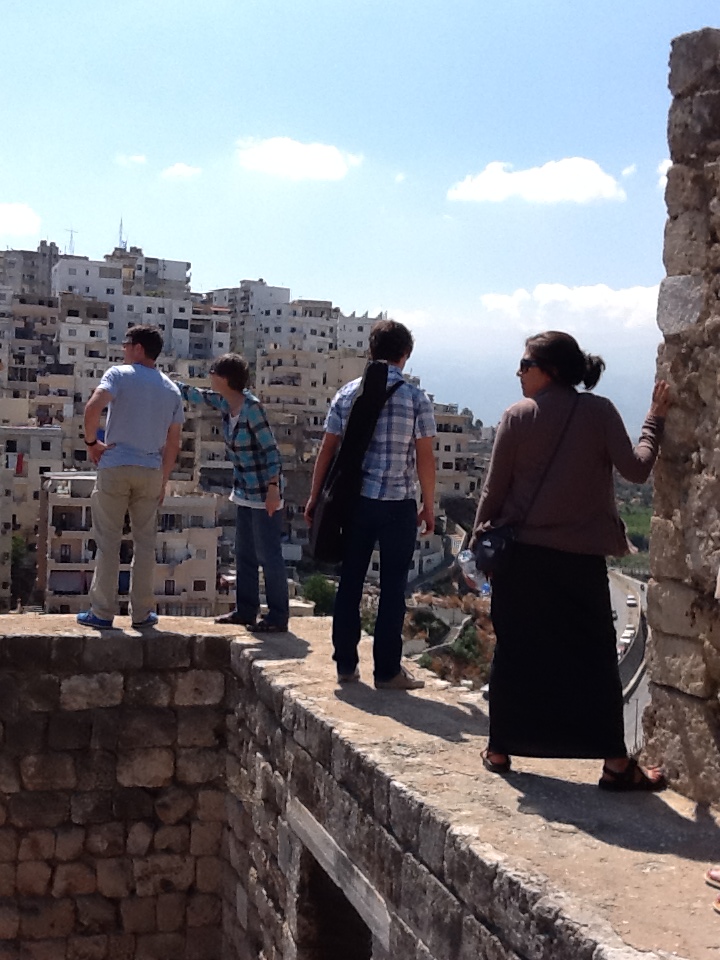
Twice we went to the high places in two different cities for the purpose of praying for those cities.
????????????????????

Palestinian camp

And there’s just something moving about taking to high ground to cry out to the God on high.

Because the heart of God is moved by the prayers of His people.

IMG_0350And it was in the high places praying for cities and in the low places of a refugee camp praying for destinies as I held tiny hands while I painted tiny fingernails, that God called intercession forth from a dormant place in my heart. And in that calling forth He answered a question I didn’t realize I had asked. “What is my purpose in this place, on this team?”

In high places and low places, I found my place as an intercessor as the stirrings of His Spirit moved my heart in familiar ways, renewing something I thought was gone.

While climbing to heights and bending down to touch small hands, this truth became fire in my bones…the question is not “will God answer?”, but “will I cry out?”

Thankfulness…

Our travel-weary selves, with, various pains and sickness and the uprising of flesh, worshiped Him and He spoke.

My blood is enough. My grace is sufficient. My glory is worth it.

And I was reminded again that we do not live for us but for Him and He is worth every pain of crucifying our own flesh and that in our dying, He is bringing life. And with all of this, I became thankful. Thankful that He is a God of community and that He calls us to go together, to live together, to love together, and to die to ourselves together. I found myself then, and even more so now, so very thankful for the team I was so honored to be with in this adventure. A team that loved well, honored in incredible ways, died to themselves in hard places, called each other out and up when it was needed, and allowed God to have His way. There were no fingers pointing, just hands offering to carry burdens and love covering and people pressing through hard places with tears and laughter and comfort and encouragement.

Team in Saida

I am thankful because I saw God in His Beloved. I am thankful for blood and grace and a Glory that is worth it all.

I am thankful that He allowed me the privilege of going to the Middle East to find Him there.

IMG_0320

remembering africa – sudan – taking back the land

I am prone to forgetting so I want to memorialize my very first mission trip. I want to put my memories in writing for my grandchildren and their children, but also for me. Because remembering is sweet.

(Ignore the dates on the photos. They were all taken in March, 2007.)

Sudan – Part 3

The final days of my trip to Sudan were spent in Bor, the birthplace of the second Sudanese civil war. We were there to host a retreat for church leaders and the local church. We stayed at the church “compound”, made up of numerous huts.

My first sights of the compound can really only be described through the pictures.

A child at play
A child at play
She captured me, but I could never get her to not be afraid of me
A tired mom and her kids


The women looked so tired, and they were very shy. But they served us so graciously, and when we were leaving, they seemed genuinely sad to see us go, and kept thanking us for coming.

We were there for two days. The first day started with everyone gathering in the church for worship, and then the teaching we had prepared to encourage them.

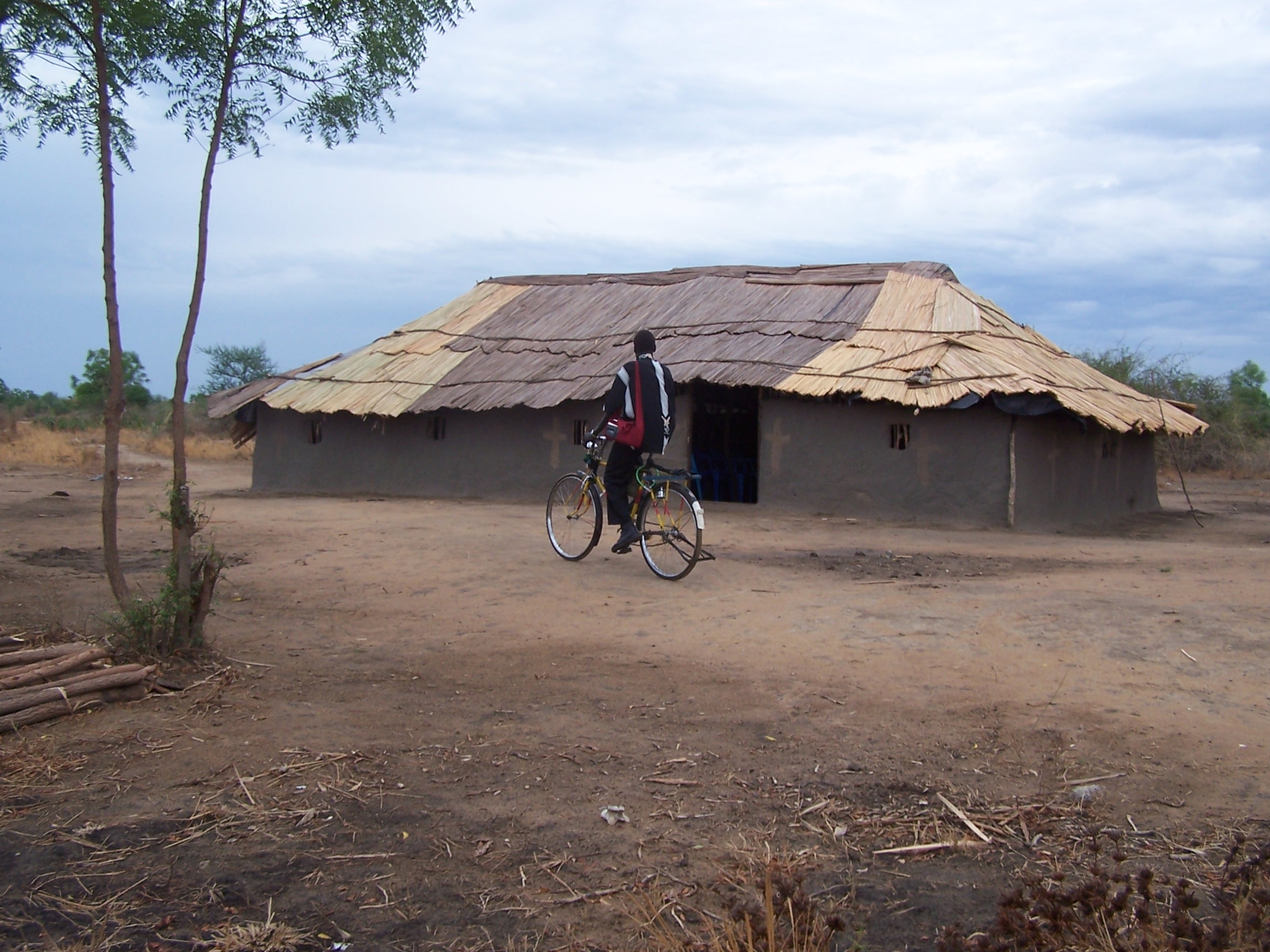
The church at Bor
The church at Bor
Inside the church, gathering for the retreat

Yes, it was hot inside the church, but not as bad as you would think.

The look on this woman’s face says so much to me. Life is hard for her, and she has endured much. It is etched into her. One of the most difficult things for me to realize was that, though they are part of the Body of Christ, they rarely received encouragement from the rest of the Body.

And I thought of how accessible it is to me. How much I take for granted the fact that at any given time I can go to my computer and have dozens of people praying for me if need be. How much encouragement I receive just from the Christians in social media. I thought of how I never feel alone, or forgotten by the rest of the Body of Christ. But they do. They told us more than once that it meant so much to them to have us come because it let them know someone else cared about them, that they had not been completely forgotten. 

The worship band and his drum

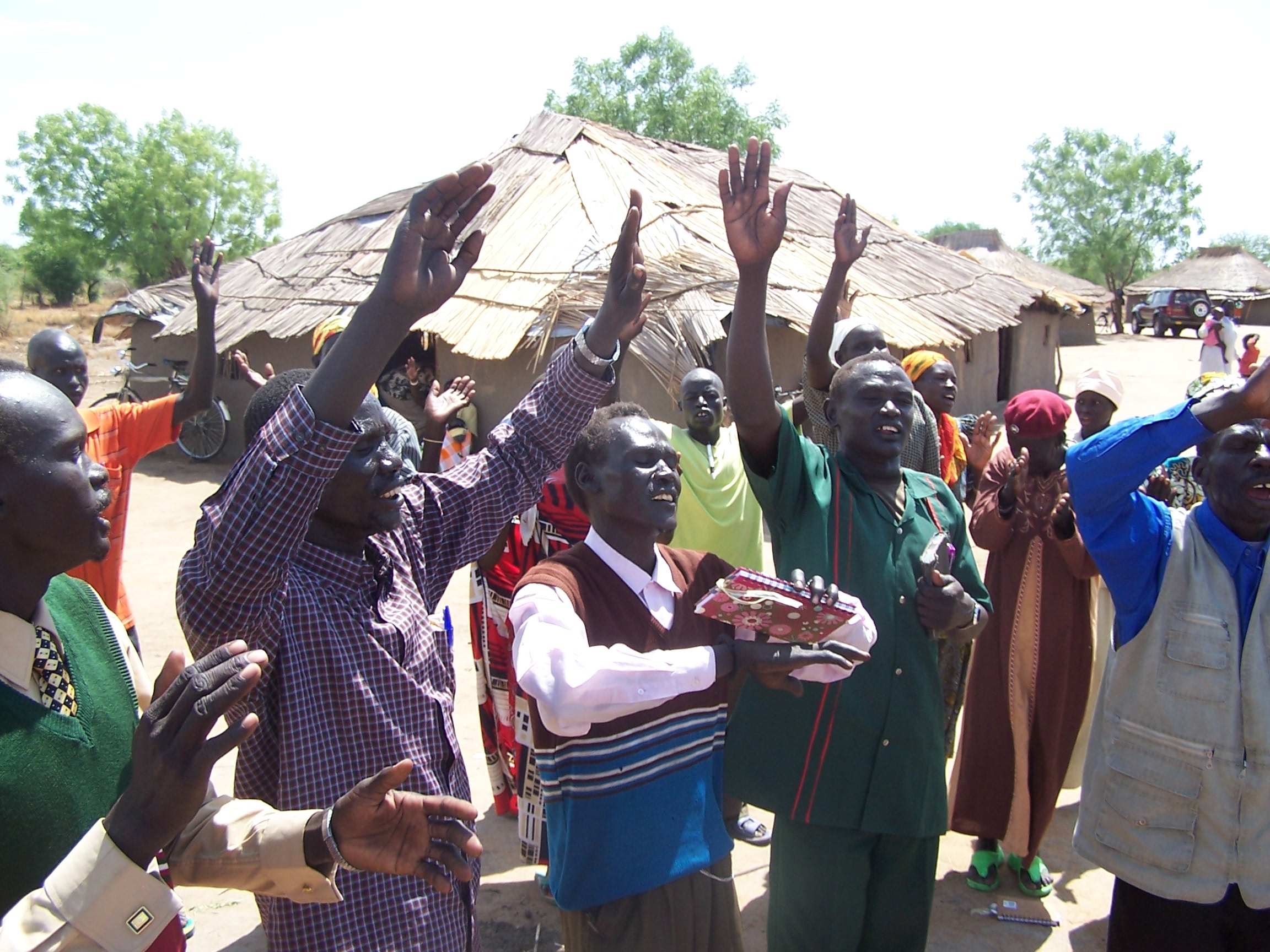
The worship has to be one of my favorite parts of the trip. I did not understand their songs, but I knew Who they were singing about, Who they were worshiping.

worship2

It was beautiful to watch, beautiful to be a part of these brothers and sisters as they bowed before God.

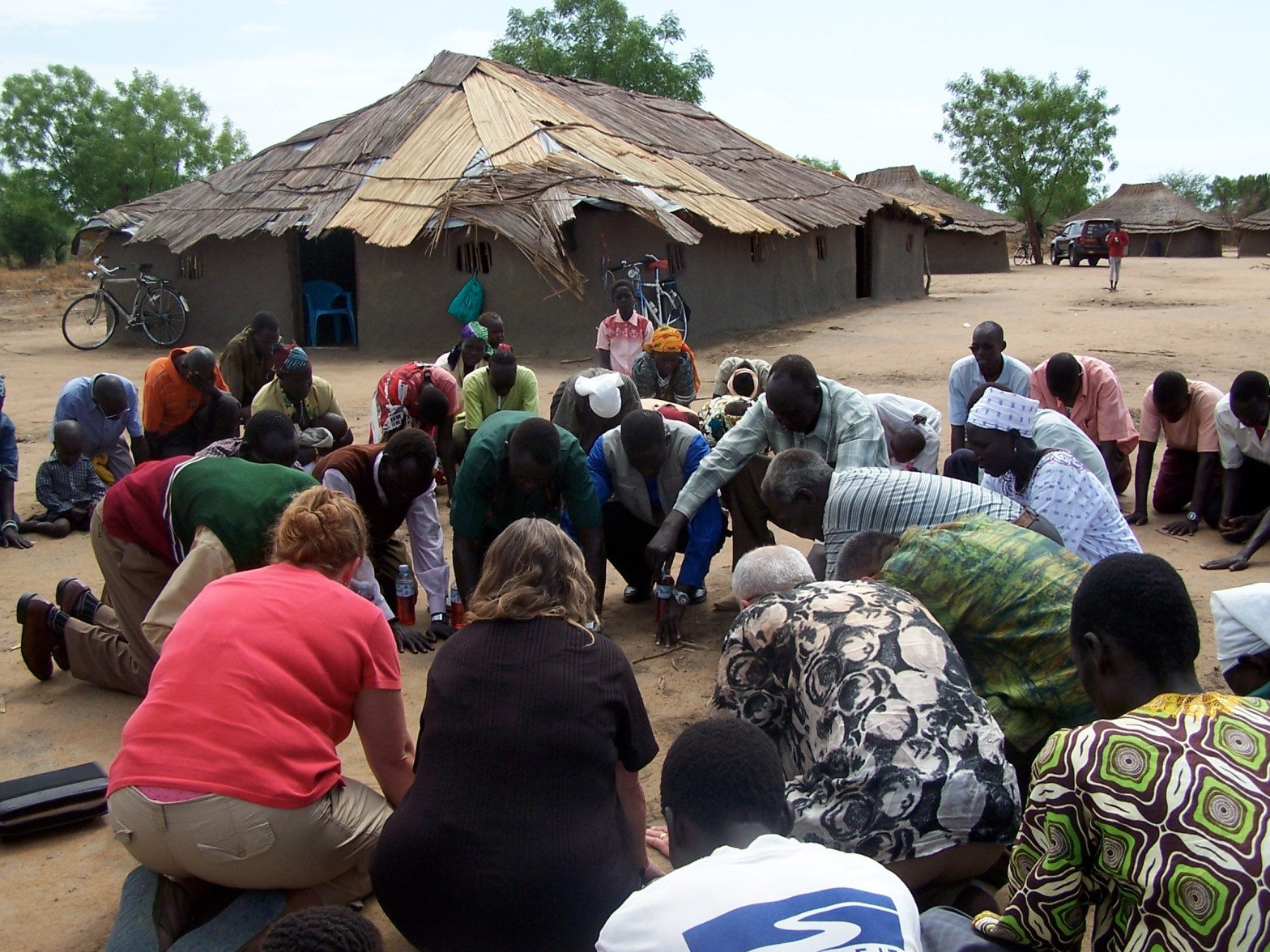
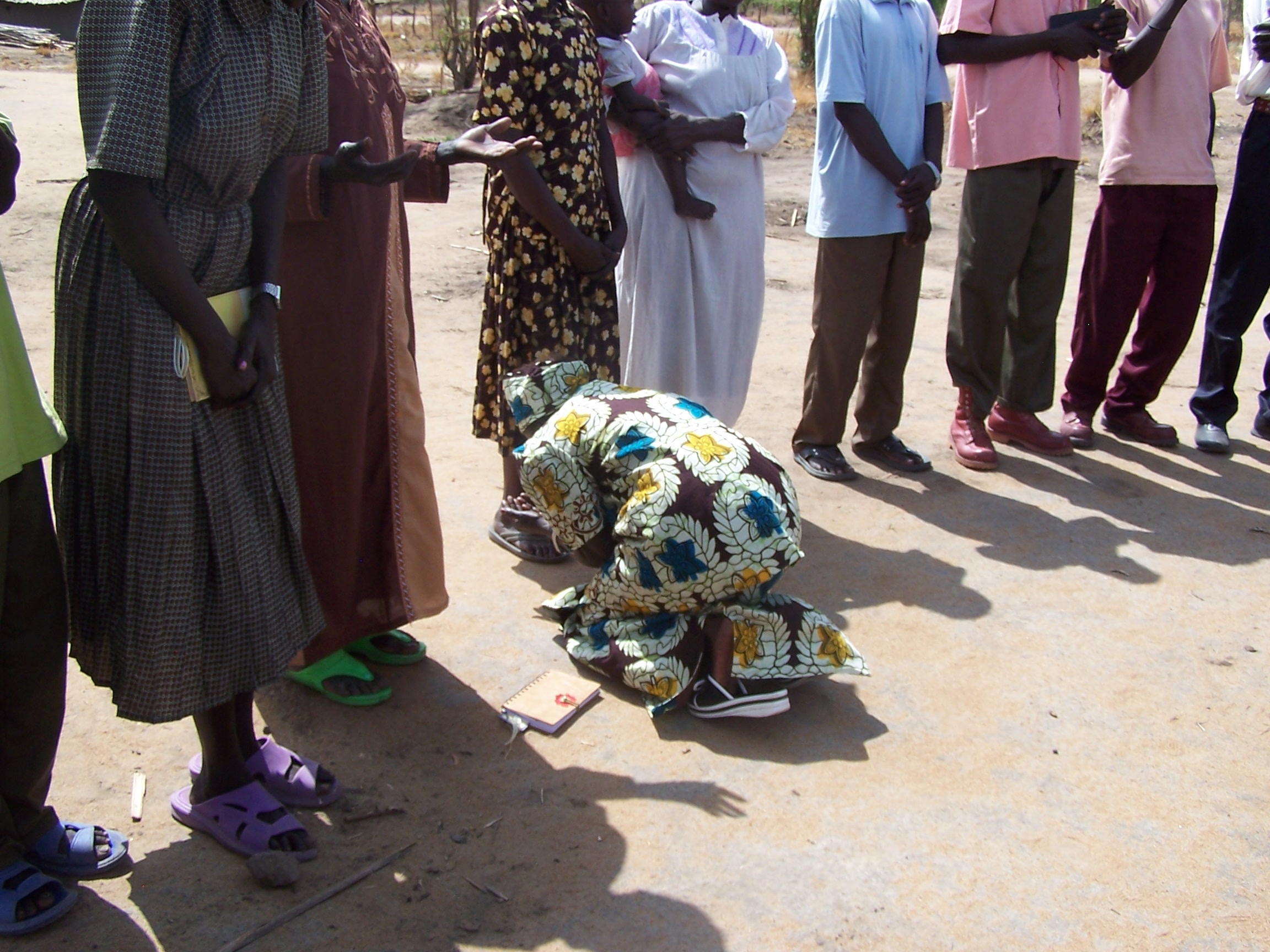
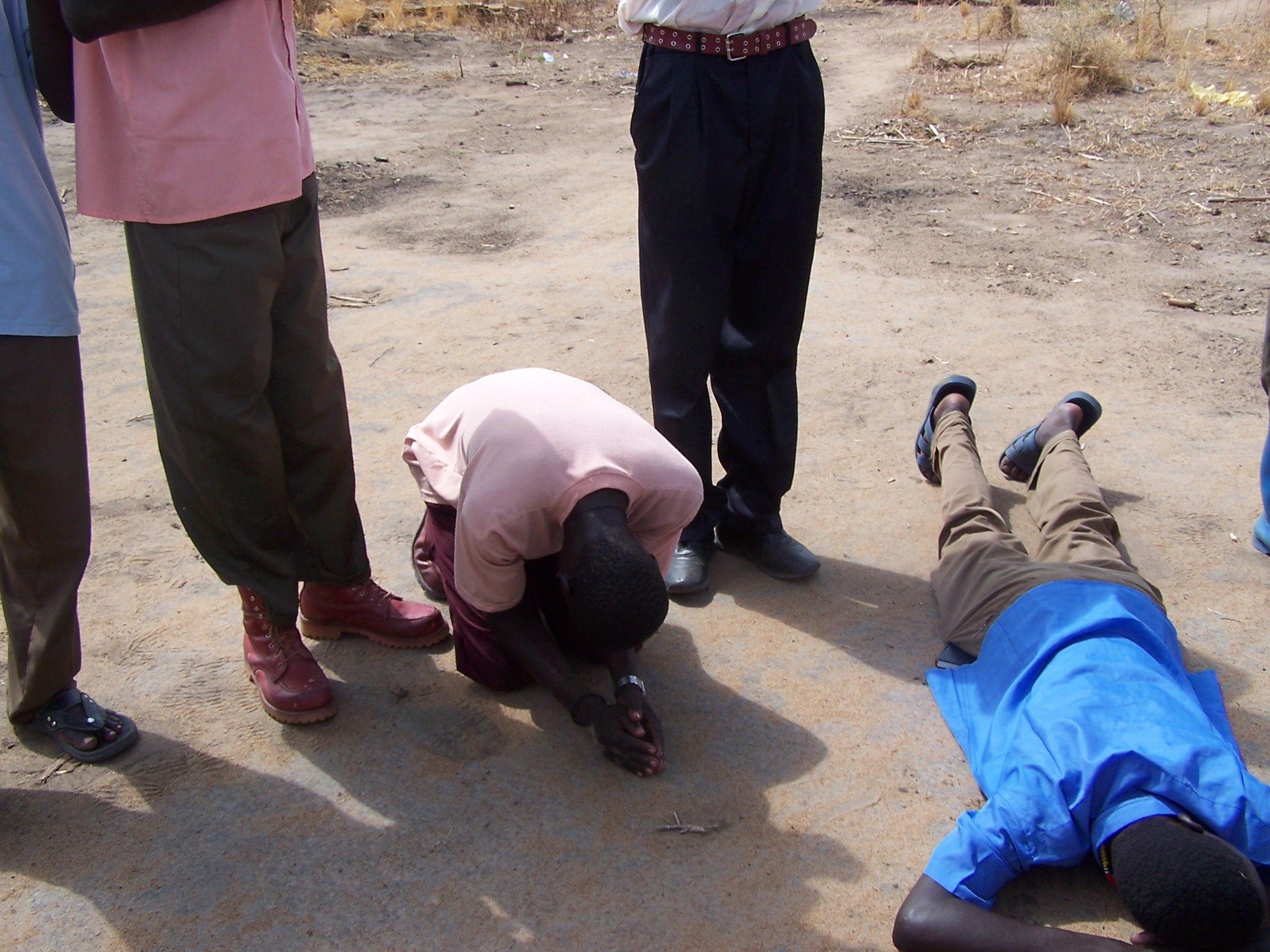
On the second day, after the teachings, we all went outside. The temperature that day was 103 degrees (F). For three hours we all stood outside, taking communion together and praying. What were we praying? That God would forgive the bloodshed of war, and heal their nation. They felt it was time to take back the land for the purposes of God. The civil war that began right there in Bor, lasted 22 years and cost the lives of millions of people, and displaced millions more.

But they loved their country, just like I love mine. And this confronts my pride head on. Because I, like the majority of Americans, have believed my country to be the greatest on earth. In my own arrogant patriotism, I believed that, if given the chance, anyone would want to live here. But on that day, I witnessed a people who didn’t want to live somewhere else. They loved their country, and they wanted to see it healed. I saw men and women spend three hours in prayer, intense prayer, in intense heat, because they believed God could redeem their nation. I saw them weep in the dirt over the sins of war and the lives that had been lost. I saw them do the only thing they knew to do for a nation that had been ravaged, both physically and spiritually. They fervently prayed. I want to be like them when I grow up.

To start us off, Pastor Dave read from the scriptures
Pastor Dave led us off
The sound of her weeping and praying filled the air
Taking back the land
What a privilege for me
And in the end, God is worshipped
And in the end, God is worshiped

That night, we all sat around a fire. Well, our team sat around a fire with the men of the church. The women stayed with the children. At some point, I saw them preparing mats outside, and then they, the women and children, all laid down to go to sleep.

But before that, we had an impromptu worship service, as all of a sudden one of the men began clapping and singing, and soon others had joined in. It was a joyous sound and soon they were dancing and laughing and singing praises. I remember sitting there watching and listening and thanking God for this gift. It was beautiful.

The next day, we began the long journey home. Back to Uganda, then to England, and finally landing in Chicago. The very next day I was driving to Kansas to my mother’s funeral.

Putting this trip into words and photos has been good, as I let God speak what He wanted to speak to me through my memories. It has also been sad, as I look at some of the faces and remember their painful stories. But mostly, it has reminded me that God’s world is big and I am small and He is the same on one side of the earth as He is on the other. His Spirit is at work in His people, and in the nations and right here in me. 

One last look…

We had brought bottles of bubbles with us for the children, much to their delight
Some of the beauty of Africa
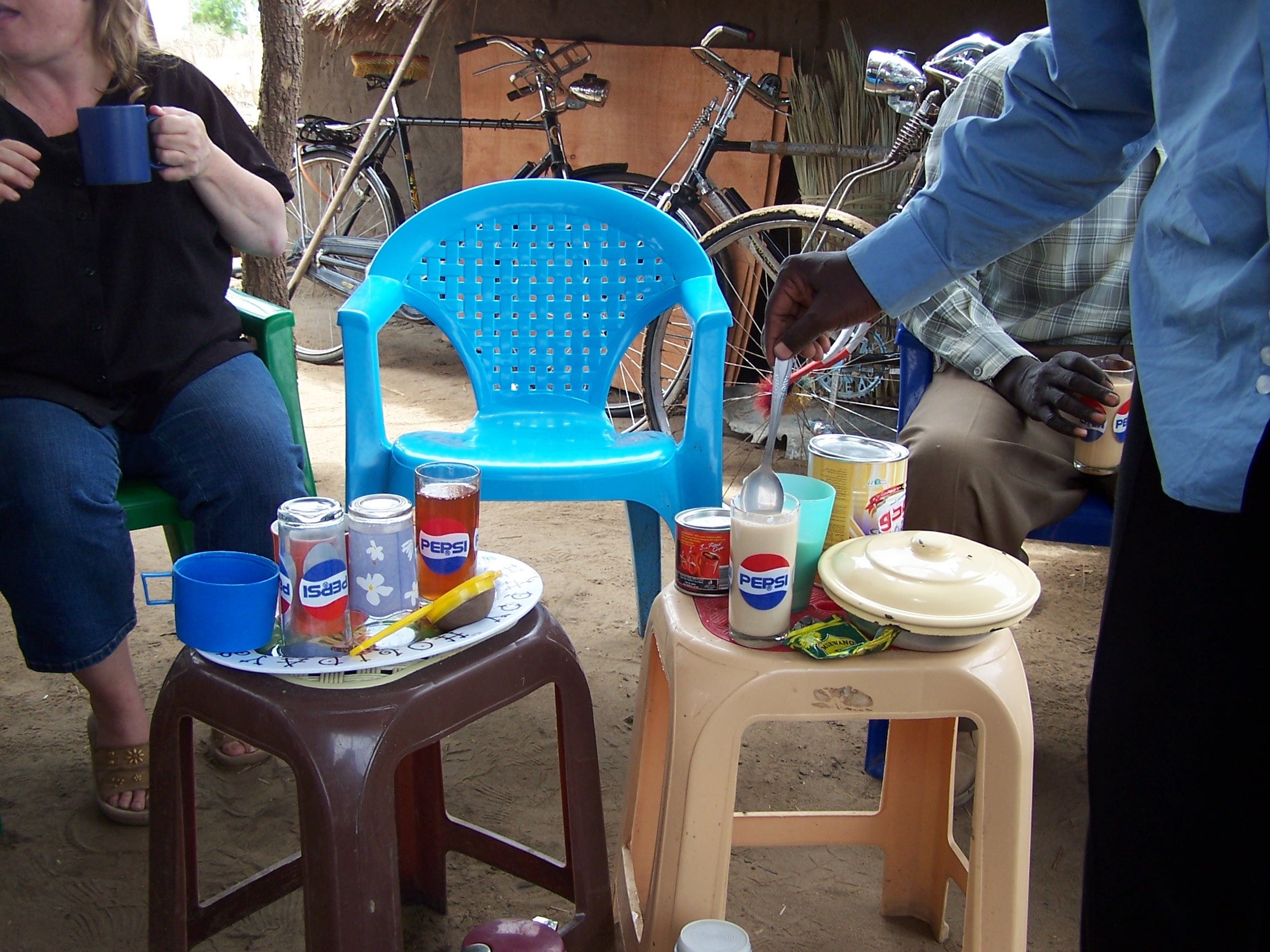
Coffee break time
Coffee break time
The church ladies
The church ladies
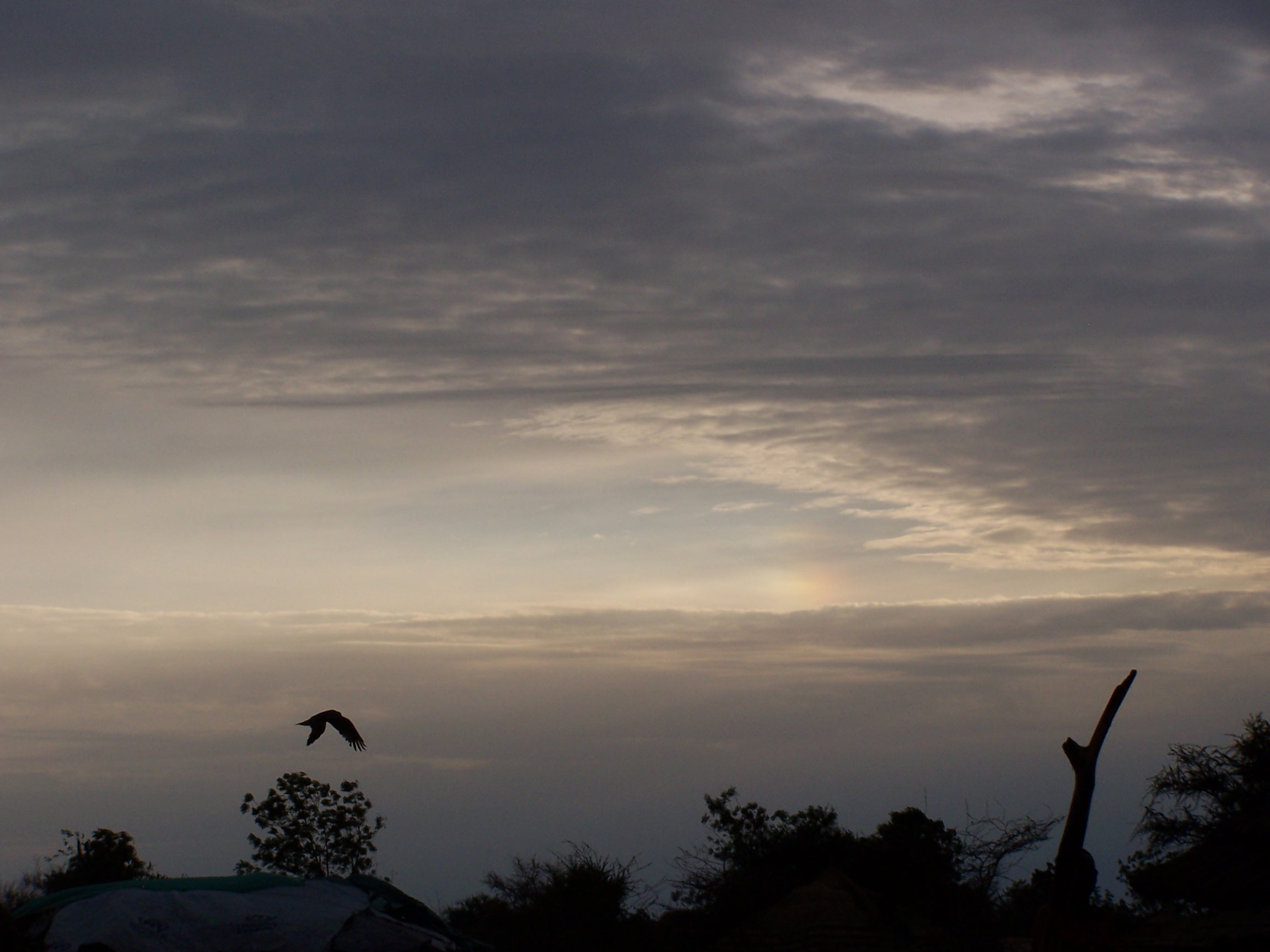
The African sky.
The African sky

remembering africa – sudan – awakened

I am prone to forgetting so I want to memorialize my very first mission trip. I want to put my memories in writing for my grandchildren and their children, but also for me. Because remembering is sweet.

(Ignore the dates on the photos. They were all taken in March, 2007.)

Sudan – Part 2

So far, my African experience was fairly mild, I would say. Other than having to hold onto a pole so I didn’t fall into the toilet, nothing had been too difficult or inconvenient. So when we headed out to our next ‘motel’, in Juba, the capital of Southern Sudan, I wasn’t worried.

My first glimpse of Motel Juba.

We pulled into the motel. I don’t know another word for it, so I’m just calling it what my team leader kept calling it. The motel.

All I remember thinking, with amazement, is, “This is how some people live.”

I thought that way because I didn’t realize that I wasn’t in the majority. When you are surrounded by people who live the same way you live, you lose sight of the fact that much of the world lives in poverty. Poverty that, for the most part, you do nothing about. 

It’s the same with our faith. When we surround ourselves only with people who know Jesus, we don’t realize we aren’t the majority. If you do life only among the living, you rarely think about the dying, until someone forces you to think about them. Most of the world is going to an eternal death, something so many of the living do nothing about.

Lesson #1: Don't get attached to the goats. Just don't.
Lesson #1: Don’t get attached to the goats. Just don’t.

As we pull in, the motel was on my left, and a goat was on my right. Someone in the vehicle said “Oh, there’s someone’s dinner”, to which I laughed, which I thought was an entirely appropriate response to the statement. Later, the goat was gone. I almost cried.

Our motel in Juba, the capital of South Sudan.

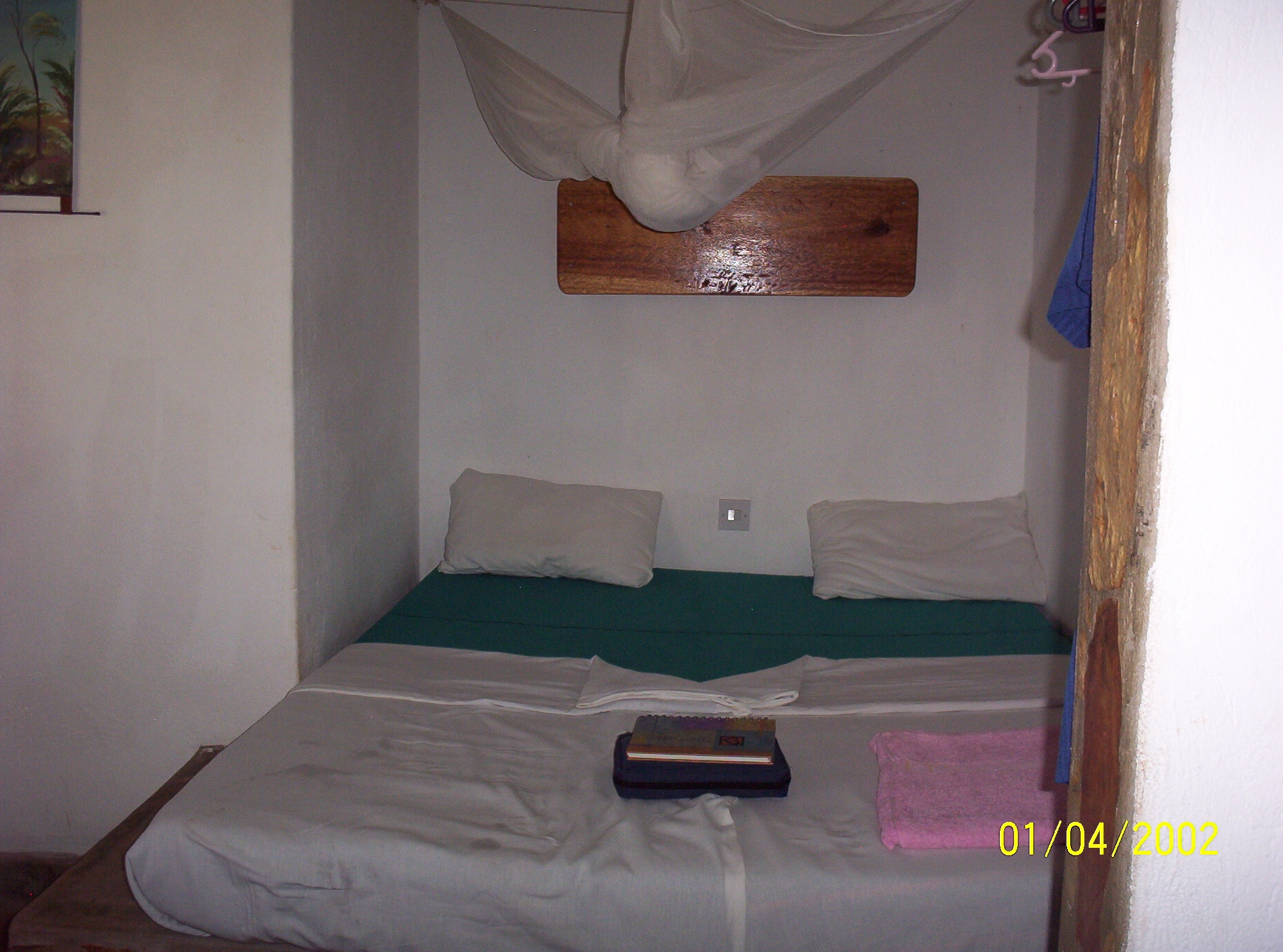
Each room had several metal beds, and a “bathroom” (and yes…those are air quotes). The bathroom had a shower, a toilet, and a sink. And no running water.

They did have large barrels filled with water and crammed into the bathroom. If we used the toilet (as opposed to holding it for days), we had to then pour water into the toilet to make it sort of flush. But I found a far more valuable use for the water.

It was hot, as one might imagine Africa to be. Two of my teammates had gotten heat stroke. Sleeping was very difficult. But I discovered that if I took off my clothes and dunked them into the barrel of bathroom water and then put them on as I went to bed, I slept very well. My wet clothes kept me cool long enough to fall asleep.

Speaking of clothes, my suitcase never made it to Sudan. In fact, the very first time I saw my suitcase after we departed from Chicago, was at the airport in Uganda on my way back to the U.S. They had it in a huge room with hundreds of other pieces of lost luggage. So, that means I spent 21 days in Africa with only the clothes on my back, and one extra shirt (which ended up with a hole in it so I couldn’t wear it anymore). I did have a backpack with my toiletries, my bible and beef jerky in it (my alternative to ‘goat’), thank You, Jesus.

The awakening was rude but necessary. To discover how many ‘can haves’ became ‘must haves’ over the years. To realize that I need very little, but demand much, want much, take much. Awakened to the gifts of God.

To the hungry…every bite is a gift…to the thirsty, any sip       To the homeless, any shelter is a gift        To the dying, every breath is a gift        To the lonely, the discouraged, the beaten down ones…every kind word is a gift        To the naked, one set of clothes is a gift.
 But to the one who has demanded much, wanted much, taken much…very little is a gift.
The passing scenes of Sudan
 village
100_5344100_5355
The road we traveled to get to Bor. Yes, I use the word 'road' loosely.
The road we traveled to get to Bor. Yes, I use the word ‘road’ loosely.

remembering africa – sudan – making room

I am prone to forgetting so I want to memorialize my very first mission trip. I want to put my memories in writing for my grandchildren and their children, but also for me. Because remembering is sweet.

(Ignore the dates on the photos. They were all taken in March, 2007.)

Sudan – Part 1

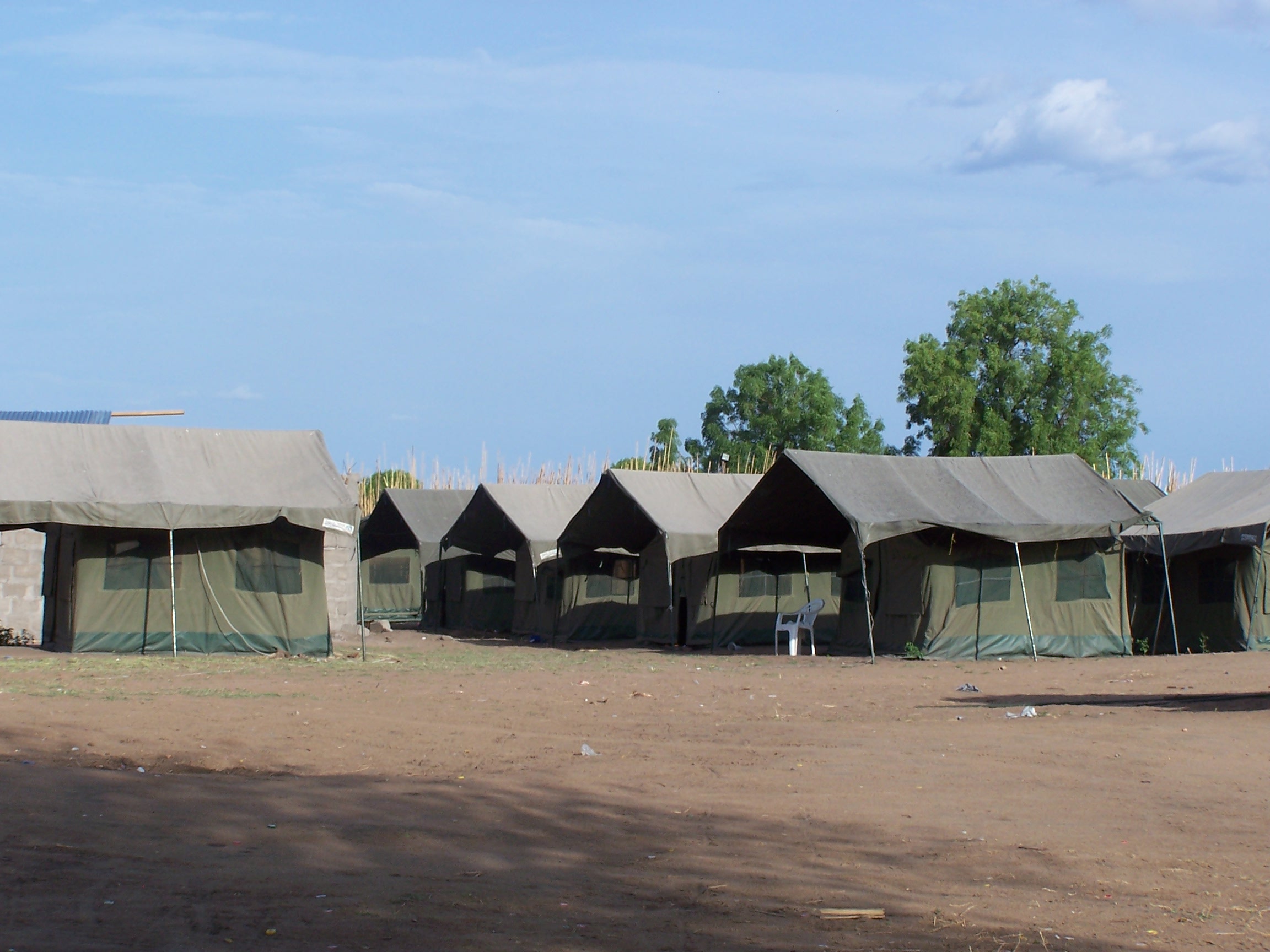
100_5331After we left Uganda, we headed for Sudan, to a town called Bor. On our way, we stopped to stay in tent city. It was a ‘hotel’ made up of what looked like army tents with two cots in each tent. Quite nice, really. It was in tent city that I first came to appreciate the headlamp. The headlamp was a small flashlight that sat on your forehead, held in place by an elastic band around your head. When my team leader first stressed the importance of bringing one, I really didn’t understand why. Besides, I looked every bit as silly as I felt wearing it. But the first time I had to go to the bathroom in the dark, I discovered what really mattered. I needed that flashlight on my head because my hands would be busy holding onto the pole that would keep me from falling into the hole in the ground that was the toilet. Awesome.

Uganda tent city
Salvation. I think I was overwhelmed by the beauty of this moment.

It was in tent city that I would meet a most beautiful girl from Kenya (I can’t for the life of me remember her name). She worked at tent city and was our hostess, more or less. She liked us and hung around our team a lot. She told me she missed Kenya. She missed her home and her family. I don’t know what brought her to Sudan, but I got the impression she couldn’t afford to leave. The day before we left, she was sitting with us in the meal tent and someone led her, weeping, to Jesus. Later, she came to a couple of us, with her small bible, and asked if we would show her what to do. We showed her where she should begin reading and we prayed for her. My heart has always remembered her, even if my mind cannot recall her name.

Once lost, now found, in a tent in Sudan.

Our first night in tent city, our team sat at an outdoor table by a group of trees, planning and yawning. There was a group of people not far from us, sitting around talking. One of them was a young man who, upon realizing we were American, came over to us to say hello. His story was stunning. He was one of the Lost Boys of Sudan and was among those who had been allowed to resettle in the United States. Almost all of his family members had been killed in the war, and his village had been destroyed. He was one of the boys who escaped on foot into the bush, finally ending up in Kenya. After relocating to the U.S., he finished his schooling and got a good job. But Sudan was his home, and he had returned because he wanted to rebuild his village and look for members of his family. That day was his first day back in Sudan since fleeing for his life.

It is these things, these stories of people longing for their home, that pushed against the walls of my heart, trying to make room for something bigger than my own life. There is something so powerful about ‘home’, that a lost boy from poverty would grow into a man surrounded by wealth, and return to poverty, because it’s home, and it matters to him. And a girl from Kenya so lonely you could see it on her face, and for whatever reason, she was there, in Sudan in a tent city, when a group of missionaries needed a place to stay. To be present at that moment that had been arranged by God, watching a young woman cry as Jesus entered her heart, was so surreal to me. I don’t think it was that I suddenly felt very small so much as it was that the moment seemed suddenly so very big. As though nothing else in all the earth mattered at that moment, except that God had arranged a meeting.

As all of this comes to me at this moment, I know what I want…what I’ve been wanting since I returned. I want something to push against my heart. Something bigger than me and my life to push its way in. I want moments that are so much bigger than me, moments where nothing else matters except what God is doing.

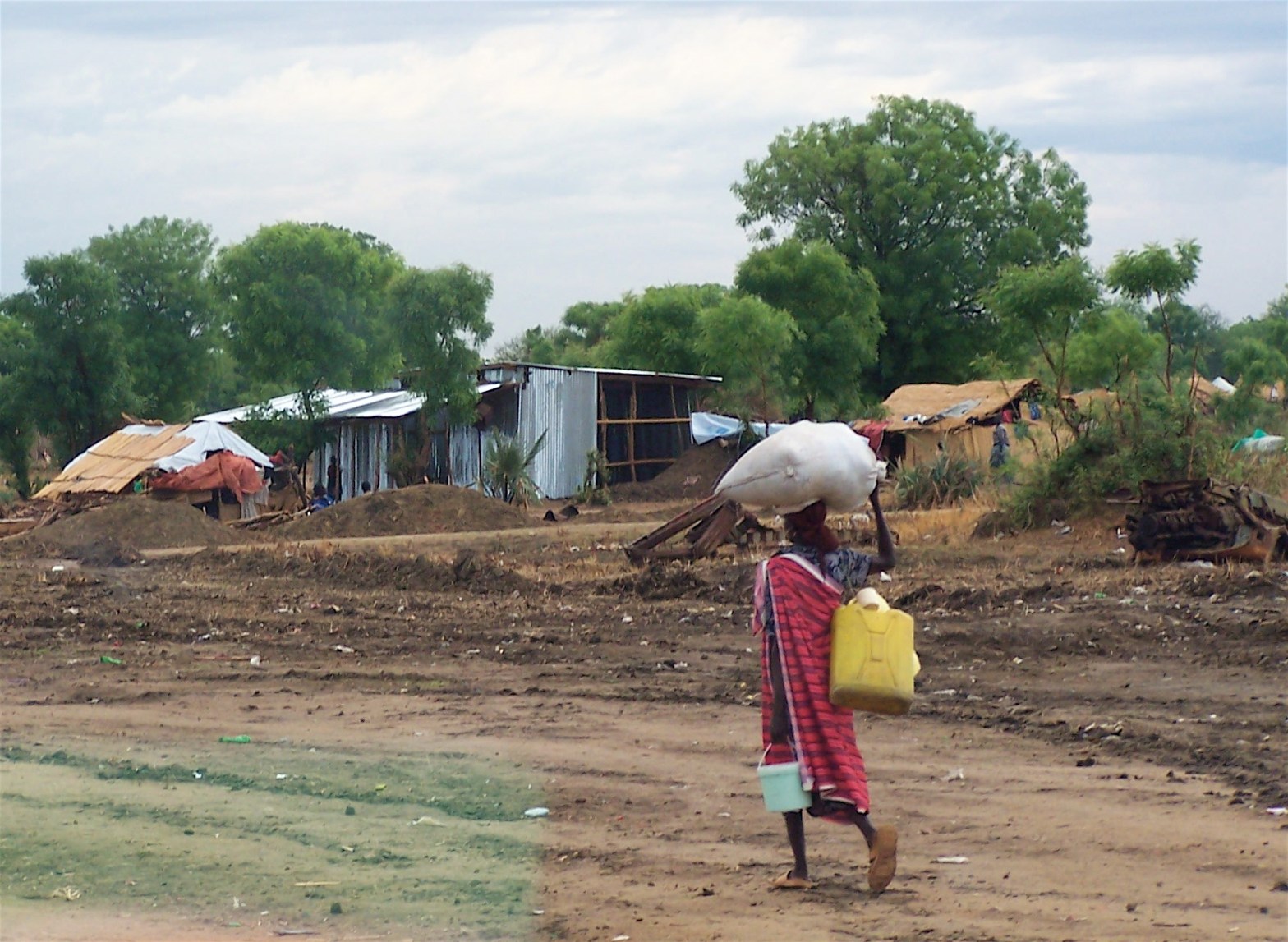
Sudan's poverty was a shock to senses that had never seen anything like it.
Sudan’s poverty was a shock to senses that had never seen anything like it.
Meat for sale.
Meat for sale
Soldiers in the streets...a reminder.
Soldiers in the streets…a reminder.

remembering africa – uganda and leaving normal

I am prone to forgetting so I want to memorialize my very first mission trip. I want to put my memories in writing for my grandchildren and their children, but also for me. Because remembering is sweet.

(Ignore the dates on the photos. They were all taken in March, 2007.)

Uganda

In March of 2007, I took my first mission trip. A small team from my church went to Uganda and Sudan. Our purpose was to bring encouragement and support to a group of pastors and their wives. They would be traveling, many of them from very great distances and on foot, to the location of the retreats we were hosting. For most of them, it’s their first time being together as pastors. The majority of them are very isolated from the rest of the Church, because of the great distances and obstacles they would need to overcome in order to come together.

Suitcase ripped at O’Hare Airport. Team Leader pulled out his duct tape and went to work on it. That suitcase still has the duct tape on it six years later. Makes me smile when I see it. I wonder if Americans are the only ones who believe duct tape can fix anything, so we carry it everywhere.

I don't care for fish. But I was in England, so on that day, I loved it!
I don’t care for fish. But I was in England, so on that day, I loved it!

First stop was London for a two-hour layover. Enough time to go out for fish and chips and my first peek at England. It wasn’t nearly enough. I hope I can go back there someday and really have a good look around.

Finally boarded the plane to Entebbe, Uganda. It was now late, and everyone settled down to try to sleep. It was the first and only time that grief welled up and almost became too much for me. I cried quietly, but deeply, with my head under a blanket on the dark plane heading to Africa. I felt like I had taken a giant leap down the rabbit hole, and nothing felt normal anymore.

On March 20, 2007, the day before I left for this trip, my mother died very unexpectedly. She lived in another state, so I was not with her when she died in the middle of a very routine blood transfusion. The news was devastating, and I had no idea if I was supposed to go to Africa or cancel my trip. About an hour after I had gotten the news, I called my dad. Some of his first words to me were “Go to Africa. Your mom was praying for your trip and was excited for you to go.” He held off on her memorial until my return three weeks later, and I left for Africa the following morning. Other than on the plane to Uganda, I did not grieve or cry for my mother until I returned home. I believe God’s grace surrounded me the whole time, and protected my mind and my heart from the fullness of the pain of my loss. It only occurred to me just recently what kind of sacrifice that was for my Dad to tell me to go, and to hold off my mom’s funeral until I returned. Three weeks without closure for his loss. Three weeks of waiting for the healing to even be able to begin. Three weeks of anticipating feeling fresh pain over his wife’s death. Such selflessness in the midst of such pain. Thank you, Dad.

Landing in Entebbe
My team leader disembarking the plane in Entebbe.

Eight hours later we arrived in Entebbe, Uganda. I remember the smell when I got off the plane. It was the smell of dirt. Very earthy, hot dirt. Not a bad smell, just very foreign to my senses. And I remember the flight attendant standing on the tarmac to greet us when we came down the steps. She was dressed in a crisp uniform and was smiling at me. She looked professional. She fit my picture of normal.

Later, as I traveled through the overwhelming pain and poverty of Uganda and Sudan, the image of that flight attendant would continue to come back to me. Because it was deceiving. Most of the women I saw over the three weeks did not smile much, and nothing about their lives fit into my ‘normal’. I would learn that many of them had suffered atrocities that I had no grid for. I had no place to put the things I heard from these women. Their stores assaulted everything “normal” in me.

This deception is not contained to Africa, or to third world countries. It is everywhere, including here. In any city, any neighborhood, you could walk past someone every day who fits your picture of normal, but if you heard their story, it would feel like something in you was being assaulted. Things they are suffering or have suffered that you have no grid for, no place to put their pain so that it makes sense to you. All of humanity is broken, in pain, and in need of Jesus. We can’t just walk past what appears normal. 

My hut in Jinja. I shared it with a rather large black spider that lived in the shower.

From Entebbe, we traveled to Jinja, Uganda, to a resort near Lake Victoria. We were hosting a church leader’s retreat, a first time experience for most, if not all, of these men and their wives. The “resort rooms” were small, thatch-roofed huts. They were clean and really rather nice. I shared mine with a large spider.

I'm telling you, it was a tough audience.
I’m telling you, it was a tough audience.

It was here, in Jinja where I met a woman from Sudan who told me her story of having to run from her village with her small children. Her husband had gone to find work, and while he was away, the war came to her village. She and other villagers, mostly women and children, ran for their lives. She described the fear of trying to stay hidden while foraging food and water for her little ones. She and her husband were finally reunited at a refugee camp in Uganda. They were hoping to be able to return to Sudan soon. I could tell that talking to me was difficult for her, and I soon discovered that talking to me was difficult for almost all of the women I encountered in both Uganda and Sudan. In their minds, how could I possibly relate to anything they would tell me? With my life of privilege and normalcy, how could I ever understand the suffering that filled their everyday lives? What was normal to them would be shocking to me, perhaps repulsive.

On an earthly level, they would be right on some counts. But the Holy Spirit closes all gaps, does away with ‘normal’ and levels every playing field. I did not need to relate to their lives in order to love them, to lay hands on them and pray for God’s healing in deep places, to feel overwhelming compassion and at the same time admiration for them. They had no idea that when I listened to their stories, I no longer felt strong. Their strength to endure made me realize my own weakness in the face of anything that deviated from my ‘normal’. But witnessing their love of God and their commitment to Him, even after all they had gone through, felt holy to me. Yes, in the natural, I led a privileged life by comparison. One I took for granted. But the real privilege was stepping out of my normal and into theirs, if only for a brief few days. Because it allowed God to re-define normal for me.

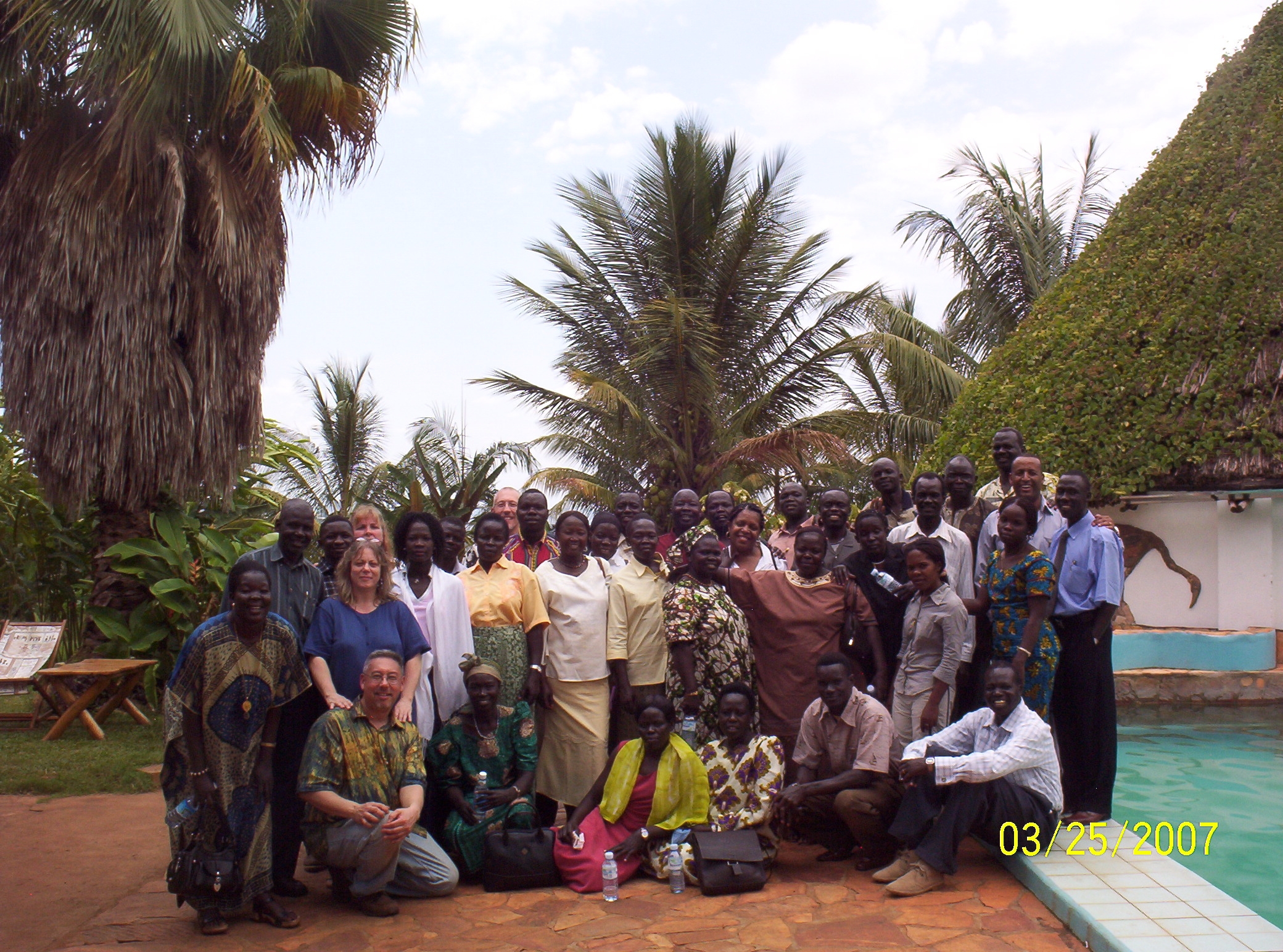
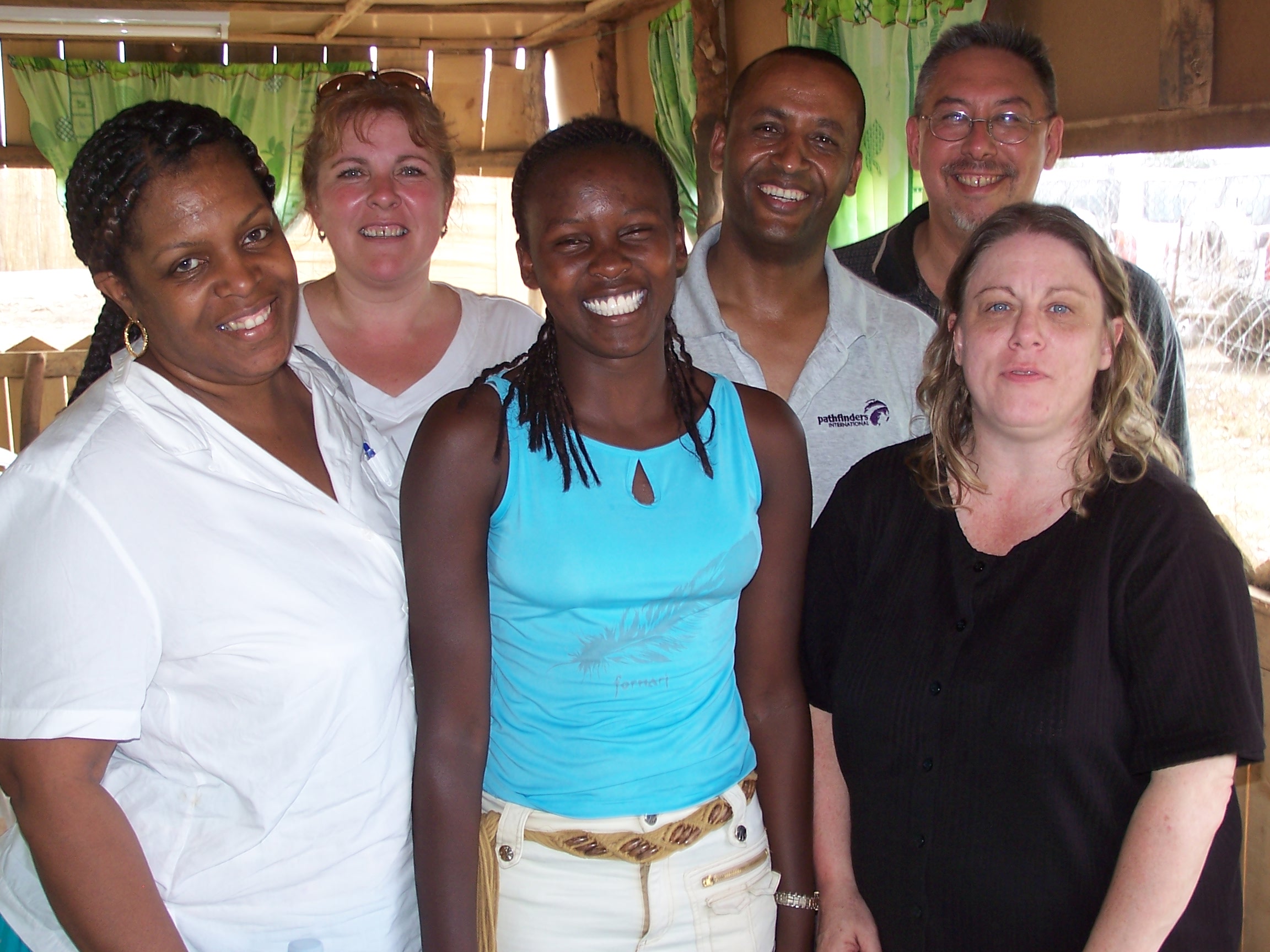
The beautiful leaders at Jinja. I'm the white girl in the blue shirt!
The beautiful leaders at Jinja. I’m the white girl in the blue shirt!
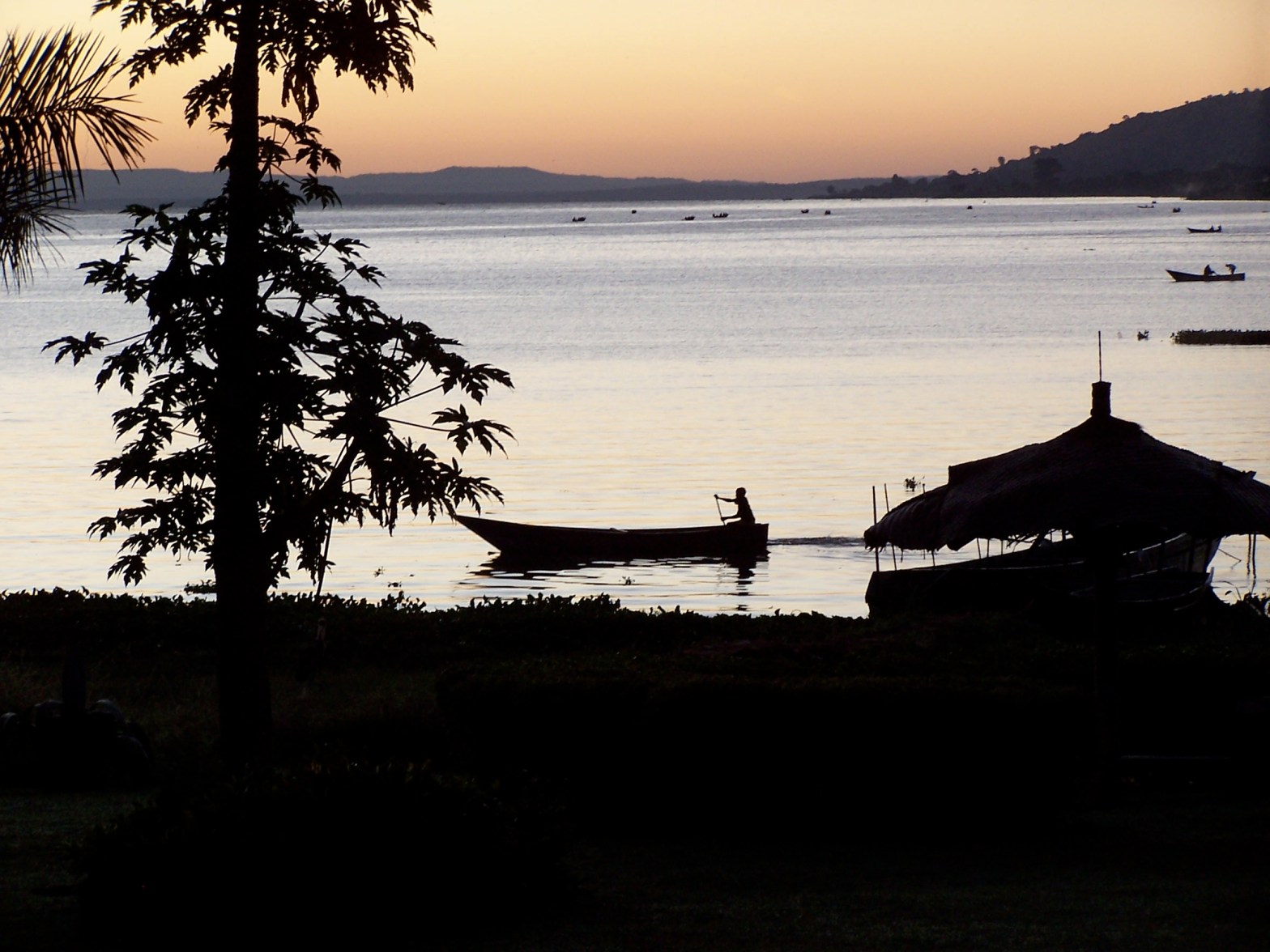
The view not far from my hut. I experienced beautiful sunrises and sunsets with Jesus there.
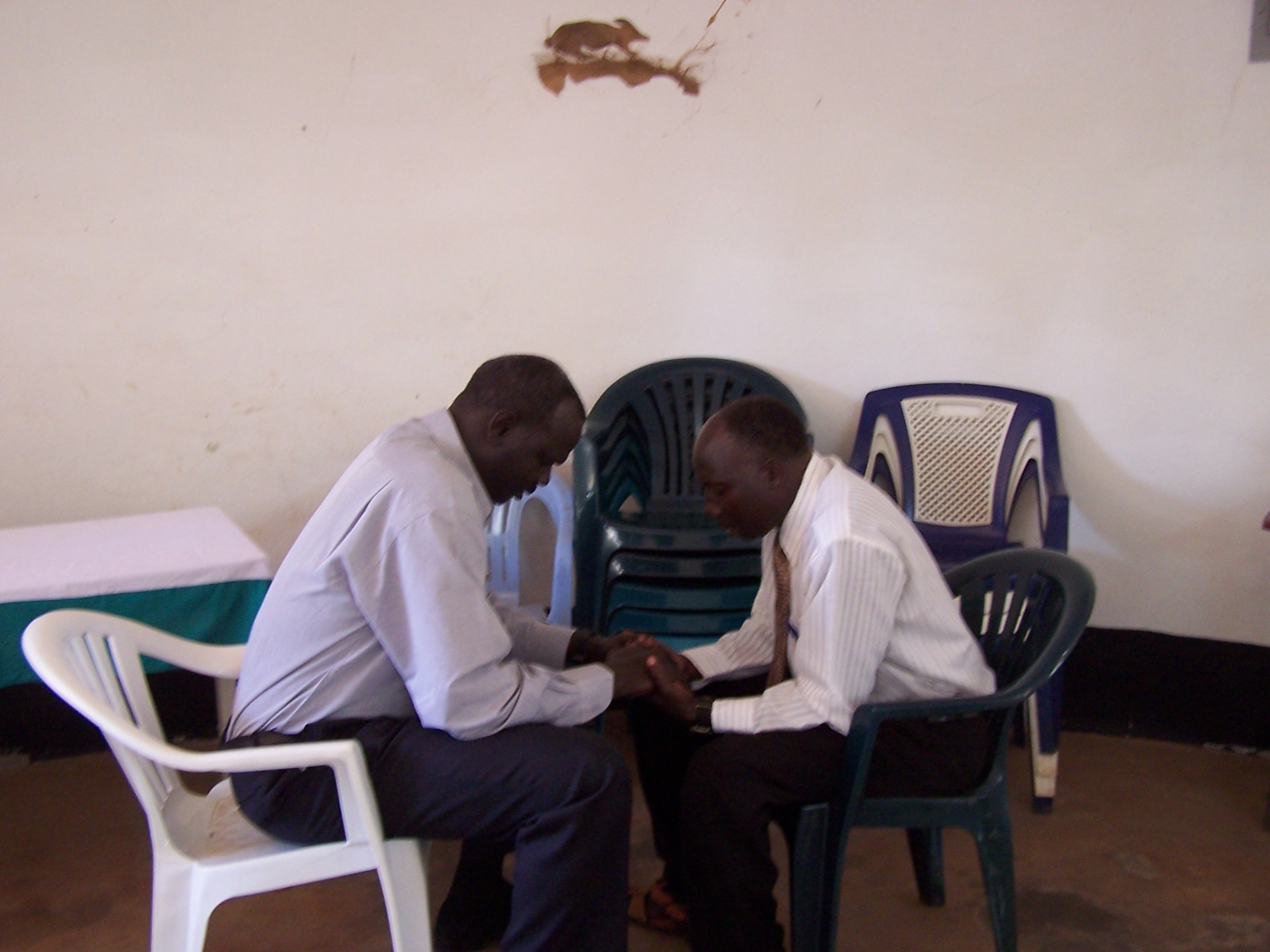
Sudanese pastors getting a rare opportunity to prayer for one another
Sudanese pastors getting a rare opportunity to pray for one another
This is so rare in their lives. Being in the midst of God moving all around them was a true privilege.

the walk

The trees. The houses. The concrete beneath my feet. It’s a far different landscape than the one Jesus knew when He walked this earth.  This was my random thought on a recent walk through my neighborhood. Or maybe not so random at all. Because Jesus answered my thought, turning my walk into His classroom.
The landscape is different, but He wasn’t here for the landscape. He came for people, and they have never changed. Suddenly, I found my eyes straining to see what He sees as I walked.

Perhaps living on my street is a woman caught in her sin, struggling under the weight of her guilt and shame. My ears hear songbirds and rustling leaves in the breeze…but my heart hears a voice.

“Who will go to her? Who will tell her that God doesn’t carry a rock?”

Maybe in that blue house with the white shutters is a weary mother who weeps every day for the son who has walked away from God. Perhaps her own faith is growing weak as she loses hope that he will ever return from his self-destructive ways.

“Who will go to her with comfort? Who will cry out to the Father with her, and believe with her for the return of a prodigal?”

On the street behind me is a house that a wife and mother used to live in a number of years ago. Then she committed suicide, leaving a husband and two sons to cope with the devastation. A few doors down from there is a family who lost their son to a drunk driver a few years back. It was the second child they’d lost. Several families on my block have suffered a loss of income and are struggling to hold onto their place in the neighborhood. On another street nearby is a woman with two little boys. Her husband died about 5 years ago.  Now she has a boyfriend, and we can hear the yelling late at night. Sometimes the police come, and the boyfriend leaves. A few days later he’s back, and so is the yelling.

As I look at the houses that I pass every day, I get a momentary glimpse through the eyes of Jesus at the mission field I live in.

In 2007 I heard Him ask, “who will go for Me?”. I raised my hand and went to Africa. And then I went to India.  I have yet to go next door.

And then I went for a walk through a mission field outside my front door.